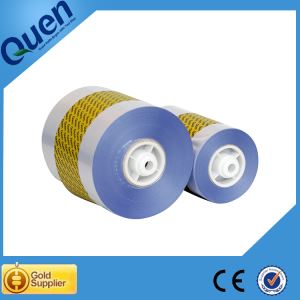
A shoe cover dispenser is a device designed to facilitate the easy and hygienic application of disposable shoe covers. This tool is commonly used in various settings where maintaining cleanliness and preventing contamination are crucial. It is especially useful in environments like hospitals, laboratories, clean rooms, food processing areas, and construction sites.
The primary purpose of a shoe cover dispenser is to provide a convenient and efficient means of applying shoe covers to footwear. This is important for maintaining sanitary conditions and protecting sensitive environments from dirt, dust, and contaminants that can be brought in from outside. By using a shoe cover dispenser, organizations can ensure that their premises remain clean and that their operations adhere to hygiene standards.
One of the main benefits of using a shoe cover dispenser is the reduction of manual effort required to put on shoe covers. Instead of struggling with individual covers, users can simply place their feet into the dispenser, which automatically covers the shoes with a disposable cover. This saves time and reduces the hassle associated with manually putting on and adjusting shoe covers.
Features and Functionality
Shoe cover dispensers come in various designs and can be made from different materials. Common types include wall-mounted dispensers, floor-standing models, and automatic dispensers.
Ease of Use: Most dispensers are designed for quick and easy operation. Users simply place their foot into the device, and the shoe cover is automatically pulled over the shoe. This is particularly useful in high-traffic areas where quick shoe cover application is essential.
Automatic Operation: Some advanced models come with an automatic mechanism that activates when the user places their foot into the dispenser. These dispensers often feature sensors that detect the presence of the foot and dispense the shoe cover accordingly.
Capacity: Dispensers vary in capacity, with some holding a single pair of shoe covers while others can accommodate multiple pairs. High-capacity dispensers are suitable for environments with heavy foot traffic.
Material and Durability: Dispensers are typically made from durable materials such as plastic, metal, or stainless steel. The choice of material often depends on the environment in which the dispenser will be used. For instance, stainless steel dispensers are common in medical and food processing environments due to their resistance to corrosion and ease of cleaning.
Design and Size: Shoe cover dispensers come in various sizes and designs to fit different needs. Some are compact and designed for limited space, while others are larger to accommodate high-volume use. The design can also vary, with options that allow for both manual and automatic shoe cover application.
Applications
Medical Facilities: In hospitals and clinics, shoe cover dispensers help maintain a sterile environment by preventing contaminants from entering operating rooms and patient care areas.
Laboratories: In laboratories, shoe covers prevent the introduction of contaminants that could affect experiments and research.
Food Processing: In food processing plants, shoe cover dispensers help maintain hygiene and prevent cross-contamination.
Construction Sites: On construction sites, shoe cover dispensers protect clean areas from dirt and debris brought in from outside.