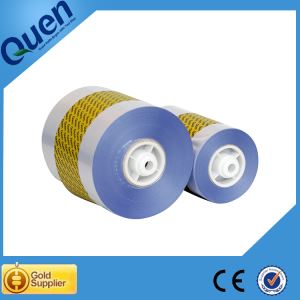
Shoe covers, often referred to as overshoes, are protective coverings worn over regular footwear to prevent contamination, maintain hygiene, or protect shoes from damage. They are widely used in various settings such as medical facilities, clean rooms, food processing plants, and even in domestic environments during renovation or cleaning tasks.
Types and Materials
Shoe covers come in several types, each suited for specific environments. The most common types include:
Disposable Shoe Covers: Made from lightweight materials like polyethylene or polypropylene, these covers are designed for single use. They are commonly used in medical settings to maintain a sterile environment, preventing cross-contamination between different areas.
Reusable Shoe Covers: Made from more durable materials like rubber or silicone, these covers are designed to be washed and reused multiple times. They are often used in industries where footwear needs protection from hazardous materials or where repeated use justifies the cost.
Waterproof Shoe Covers: Typically made from PVC or similar materials, these covers protect shoes from water, mud, and other wet substances. They are popular among cyclists, hikers, and outdoor workers who need to keep their feet dry in wet conditions.
Anti-Skid Shoe Covers: These have a textured or rubberized sole to provide better grip, reducing the risk of slipping. They are used in environments where floors may be slippery, such as hospitals or laboratories.
Applications
Shoe covers are essential in many professional and industrial settings. Here are a few examples:
Healthcare: In hospitals and clinics, shoe covers are crucial for maintaining sterile environments, especially in operating rooms and intensive care units. They prevent pathogens from being brought in on shoes and help control infection.
Cleanrooms: In the semiconductor, pharmaceutical, and biotechnology industries, maintaining a contaminant-free environment is critical. Shoe covers help prevent dust, dirt, and other particles from being introduced into these highly controlled spaces.
Food Processing: To ensure food safety and hygiene, workers in food processing plants often wear shoe covers to prevent contamination from outside sources.
Construction and Renovation: Workers use shoe covers to keep indoor spaces clean, protecting flooring from dirt, paint, or other debris that can be tracked in from outside.
Benefits
Using shoe covers offers several benefits:
Hygiene and Cleanliness: They help maintain a clean environment by preventing dirt and germs from being spread by footwear.
Cost-Effective Protection: They protect expensive flooring and carpets from damage and stains, potentially saving money on cleaning and repairs.
Compliance with Regulations: In many industries, using shoe covers is a regulatory requirement to ensure safety and hygiene standards are met.
Convenience: Easy to put on and take off, shoe covers provide a simple solution for temporary protection needs.